

Cosmetic medicine can be brilliant. It can also be wildly oversold, badly performed, and strangely under-regulated depending on where you live. That tension is the whole story.
You’re not just buying a prettier photo. You’re choosing a medical intervention with real trade-offs: anatomy, wound healing, immune responses, infection risk, pigment changes, vascular complications, and, yes, emotion. If a clinic pretends otherwise, walk.
One-line truth: good cosmetic work is boringly safe because it’s boringly disciplined.
Hot take: the “best” treatment is the one your injector refuses to do
I’ve seen more harm come from unnecessary add-ons than from conservative plans. Overfilled midfaces, frozen brows that don’t match someone’s personality, lasers stacked too aggressively on skin that wasn’t prepped… you get the idea.
A good practitioner in [cosmetic medicine](https://www.respectbeautyandmedicine.com.au/) will say some version of: “Nope, not yet,” or “Not that device for your skin type,” or “We’ll do less.” That’s not timid. That’s competence.
The actual menu: Injectables, resurfacing, devices, and the quiet helpers
Cosmetic medicine usually lands in four buckets. The marketing makes it sound infinite, but the mechanisms are pretty knowable.
1) Injectables: neuromodulators + fillers
Neuromodulators (think Botox-type products) reduce dynamic wrinkles by relaxing small facial muscles. Fillers add volume (often hyaluronic acid) or structural support in targeted planes.
This is where artistry meets anatomy. Two people can get the “same” product and end up with different outcomes because placement depth, angle, dose, and baseline asymmetry matter more than brand names.
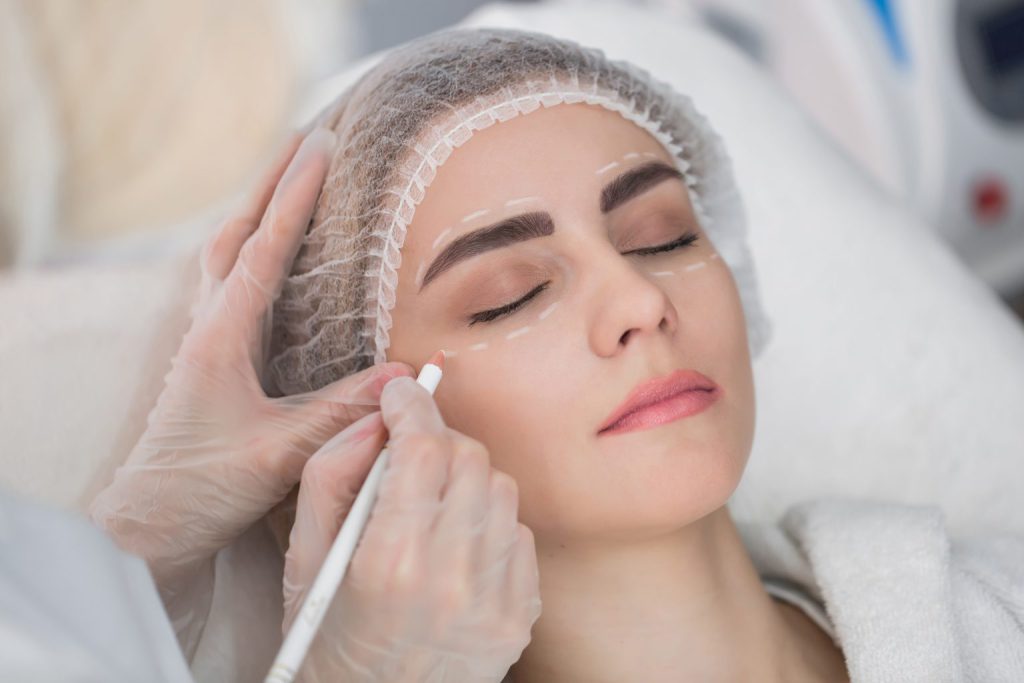
2) Resurfacing: peels, microneedling, laser resurfacing
Resurfacing is controlled injury. That’s the point. You trigger repair, collagen remodeling, pigment dispersion, and texture change, then you wait.
Time is part of the treatment.
3) Energy-based devices: IPL, non-ablative lasers, RF, ultrasound
These therapies heat or target specific chromophores (like melanin or hemoglobin) or deliver thermal energy to stimulate tightening and collagen. Some devices are excellent. Some are expensive noisemakers with glossy before-and-afters and very average real-world results.
4) Supportive therapies: topicals, growth factors, acne control, nutrition (yes, sometimes)
Adjuncts aren’t glamorous, but they often decide whether a procedure looks clean and calm… or irritated and patchy. Barrier repair and pigment control are not “extra credit.” They’re the foundation.
How it really works (and why timelines confuse people)
Here’s the thing: patients expect cosmetic medicine to behave like makeup, immediate and precise. Biology doesn’t.
Neuromodulators
You may notice changes in a few days, with peak effect often around 1, 2 weeks. Longevity commonly sits around 3, 4 months, but metabolism, dosing strategy, and muscle strength can shift that.
Fillers
Some effect is immediate, but swelling can mimic “great results” early on, then fade to reveal the true shape. Duration varies wildly: product type, placement area, and your tissue characteristics matter. Under-eyes behave differently than cheeks. Lips are their own ecosystem.
Resurfacing/energy devices
Texture and pigment changes can be subtle at first, then improve over weeks as collagen remodels. If someone promises “perfect skin in 48 hours,” they’re selling you a fantasy (or a filter).
A stat that keeps people grounded: Delayed-onset nodules after hyaluronic acid fillers have been reported, often presenting weeks to months later in the literature, uncommon, but real. One open-access review discussing inflammatory reactions and late complications is here: Alijotas-Reig et al., 2021, Clinical, Cosmetic and Investigational Dermatology (DovePress).
Safety: the stuff that separates a pro from a TikTok injector
Some risks are minor and expected. Some are rare and catastrophic. The trick is acting like both categories matter.
Common, usually self-limited effects
Swelling, bruising, tenderness, temporary asymmetry, mild acne flare after occlusive post-care, transient redness after lasers and peels.
Annoying, not usually dangerous.
The ones you don’t ignore
Vascular occlusion (fillers), infection, ocular complications, scarring, post-inflammatory hyperpigmentation (especially in higher Fitzpatrick skin types), nerve injury, burns from devices used at the wrong settings on the wrong skin.
Now, this won’t apply to everyone, but if you have a history of keloids, autoimmune flares, pigment issues, HSV outbreaks, or you’re on immunomodulating meds, your “routine” treatment needs a customized plan. Standard protocols aren’t personal.
Risk mitigation (the unsexy checklist that saves faces)
A good clinic runs like a cockpit: repeatable systems, not vibes.
A practical safety baseline I like to see:
– Medical intake that’s actually medical (meds, allergies, clotting risk, prior filler history, cold sore history, pregnancy status, prior laser reactions)
– Batch numbers and product documentation
– Clean technique: skin prep, sterile instruments where indicated, no “open syringe sitting around” nonsense
– Complication plan that they can describe without getting weirdly defensive
– Aftercare instructions in writing (not just verbal “don’t touch it”)
– Access for follow-up within days, not “email us and we’ll see”
If your provider can’t tell you what they do for a suspected vascular event, that’s not a “small gap.” That’s a hard stop.
Choosing a practitioner: credentials are necessary, not sufficient
People get hung up on titles. I get it, names are easier than competence.
Start with licensure and training that fits the procedure. Then look for evidence of repetition and judgment: lots of cases, consistent results, a willingness to show outcomes across different faces and skin types (not just one influencer template).
What I ask providers when I’m assessing them professionally:
– How do you decide against treatment?
– What complications have you managed personally?
– What’s your protocol for vascular compromise?
– Do you dissolve filler often, and what triggers that call?
– Which device parameters do you avoid in darker skin types, and why?
A great answer sounds calm, specific, and slightly boring.
Consult like you mean it (because you should)
Some consultations are sales calls wearing a lab coat. Don’t reward that.
Ask direct questions, then watch how they respond.
Questions that cut through fluff
– “What will this look like at 2 weeks, not tomorrow?”
– “What’s the most common complication you see with this?”
– “If I hate it, what’s the exit plan?”
– “How many of these have you done on my age group / skin type?”
– “Show me photos taken in the same lighting, same angles, no makeup.”
And look, if they’re irritated by questions, imagine how they’ll act if something goes wrong.
Managing expectations: a little restraint beats a lot of regret
One of the weirdest misconceptions is that more product equals more beauty. In my experience, the opposite is often true. Faces read as “off” when anatomy is overridden.
Also: symmetry is a trap. Humans aren’t symmetrical. The goal is harmony, not a mirrored spreadsheet.
Aftercare isn’t optional either. You can’t laser someone, then send them into sun exposure and harsh acids and expect a miracle. Healing is a phase of the treatment, not a footnote.
One-line emphasis: Your job after the procedure is to heal well, not to “test” the result.
Costs, comfort, and “fit” (a practical way to decide)
Price shopping can backfire because cheap cosmetic medicine isn’t a bargain; it’s a risk transfer.
Instead, compare the total package:
– What’s included in follow-up?
– Are touch-ups billed separately?
– Do they document everything?
– Are you paying for an experienced hand or a fancy lobby?
Comfort matters too, and not in a superficial way. If you feel pressured, rushed, or vaguely talked-down to, that’s usually your nervous system spotting a problem before your brain names it.
A slightly opinionated ending
The best cosmetic results don’t announce themselves. They read as “rested,” “clearer,” “healthier,” or “somehow fresher,” and nobody can pin down why.
That’s the goal I trust.
And if a provider can’t talk you through risks, alternatives, and a realistic timeline without switching into sales mode, you’re not being consulted, you’re being processed.