

Walking trails offer far more than scenic outdoor experiences. They provide meaningful opportunities to discover the traditions, stories, and cultural identity that have shaped communities over generations. As people travel on foot, they gain a deeper appreciation for the heritage surrounding them and develop a stronger connection to the landscapes they explore. Experiences highlighted by clarewalkingtours.ie also reflect how walking routes can reveal the rich history and character of an area in an engaging and memorable way.
Discovering Historical Landmarks
Walking trails often pass through areas that showcase important aspects of local history. Exploring these routes allows visitors to learn about the past while enjoying a comfortable and immersive journey.
- View preserved historical structures and monuments
- Learn about significant events connected to the region
- Understand how communities developed over time
- Experience heritage sites in a more personal way
- Appreciate the stories behind local landmarks
Experiencing Traditional Culture
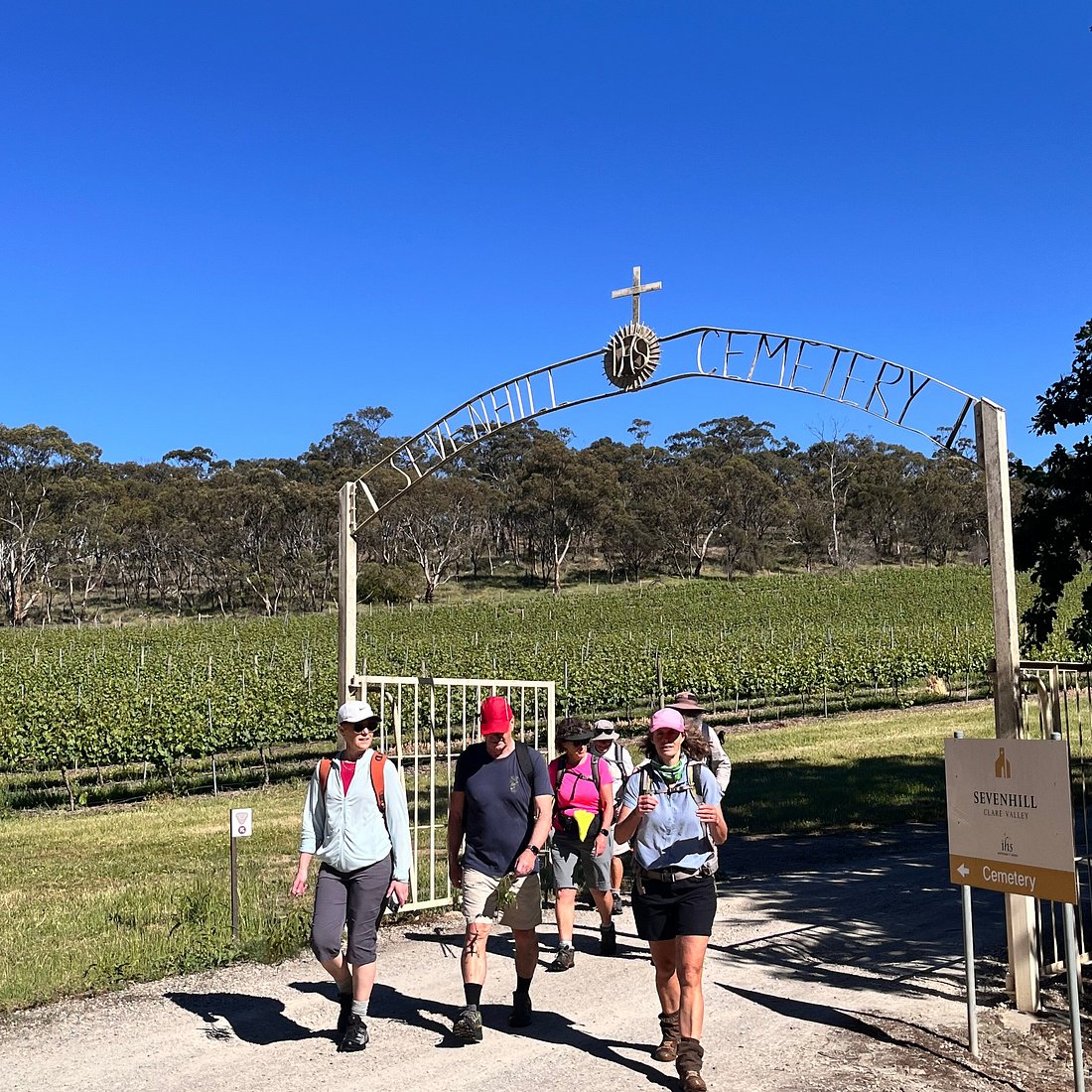
Many walking routes provide insight into customs and traditions that continue to influence local life. Travelers can observe cultural elements that may be less noticeable when using other forms of transportation.
- Discover traditional architecture and design styles
- Learn about long-standing cultural practices
- Observe local craftsmanship and creative skills
- Gain insight into community values and heritage
- Experience authentic cultural surroundings
Connecting with Heritage through Storytelling
Interpretive signs, guides, and local narratives help bring history to life. Stories shared along walking trails make heritage more engaging and easier to understand.
- Learn fascinating stories linked to specific locations
- Understand traditions passed down through generations
- Explore legends and historical accounts
- Gain context about cultural developments
- Create memorable connections with local history
Appreciating Historic Landscapes
Natural and cultural heritage are often closely connected. Walking trails reveal how landscapes have influenced daily life, traditions, and community growth throughout history.
- Explore routes shaped by generations of use
- Understand the relationship between people and nature
- Observe features that reflect historical activities
- Appreciate preserved cultural landscapes
- Discover how environments influenced local lifestyles
Supporting Heritage Awareness
Walking tourism encourages greater appreciation for cultural and historical resources. Increased awareness often contributes to the preservation of important heritage features for future generations.
- Promote respect for historical sites
- Encourage cultural learning and exploration
- Help maintain interest in heritage preservation
- Support educational experiences for visitors
- Strengthen appreciation of local identity
Creating Meaningful Travel Experiences
Walking allows visitors to slow down and engage more deeply with their surroundings. This approach transforms a simple outing into an enriching cultural journey filled with discovery and learning.
- Enjoy a closer connection to heritage attractions
- Explore at a relaxed and comfortable pace
- Notice details often missed during faster travel
- Build lasting memories through authentic experiences
- Develop a deeper understanding of community history
Conclusion
Walking trails create valuable connections between visitors and local heritage by combining exploration, learning, and cultural appreciation. Through historical landmarks, traditional customs, storytelling, and heritage landscapes, these routes offer enriching experiences that deepen understanding and foster lasting memories. As a result, walking trails remain an inspiring way to celebrate and preserve cultural heritage while providing enjoyable and meaningful travel experiences