

In modern electrical and automation systems, efficiency and precision are paramount. Solid State Relays (SSRs) have emerged as essential components in high-speed switching applications. Understanding SSR symbols not only simplifies circuit interpretation but also empowers engineers to design systems that are both reliable and fast.
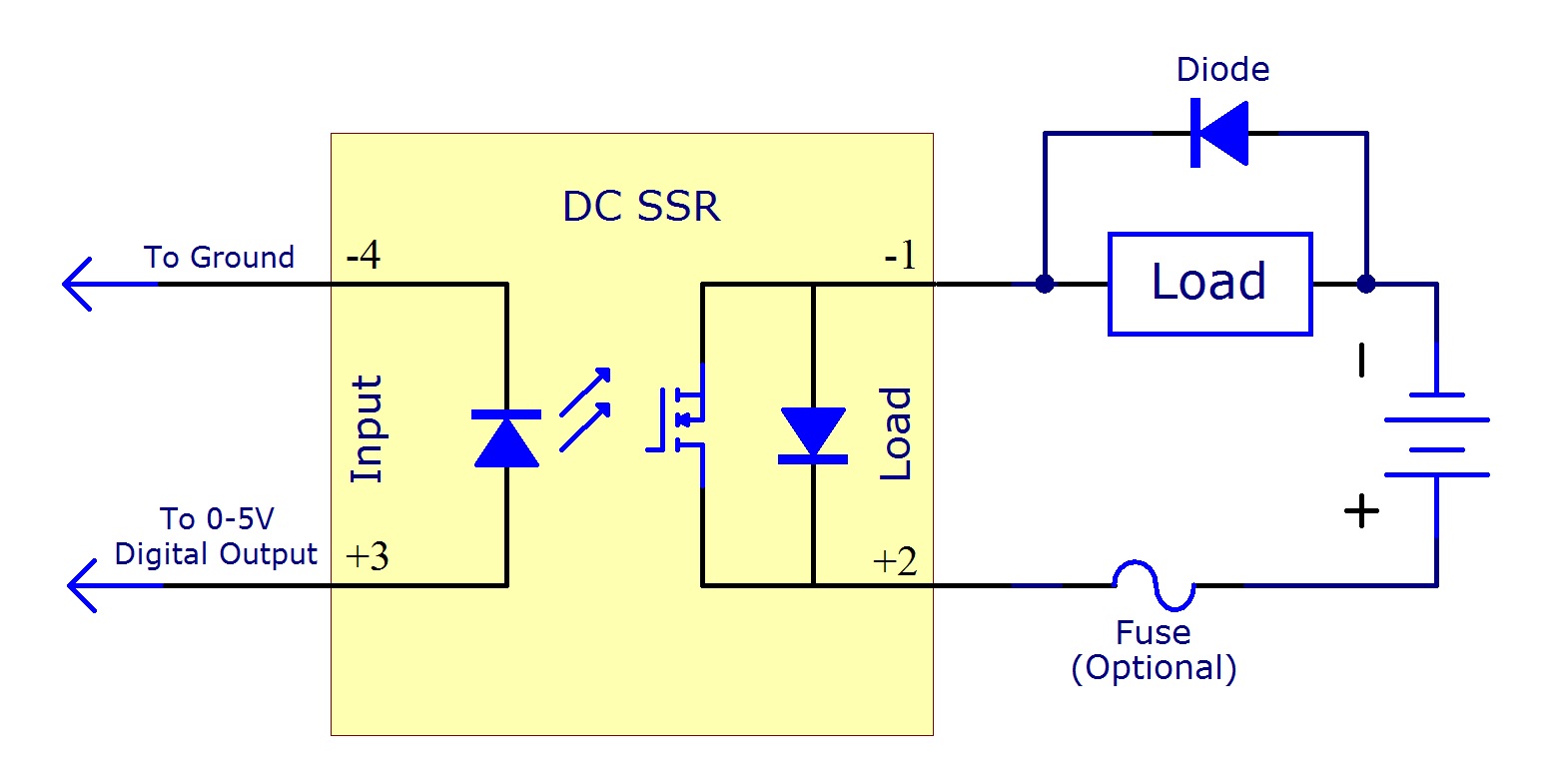
Understanding the Solid State Relay Symbol
The SSR symbol is more than a diagram; it is a roadmap for engineers:
- Visual Representation of Functionality – The symbol clearly distinguishes the input (control) side from the output (load) side, making it easier to predict relay behavior in high-speed operations.
- Indication of Switching Type – Symbols often highlight whether the SSR is designed for AC or DC loads, ensuring accurate integration into the intended application.
- Simplifying Complex Designs – Even in multi-relay or networked systems, the symbol helps engineers quickly interpret the relay’s role without examining the device physically.
By mastering SSR symbols, engineers can avoid common misinterpretations that may lead to circuit inefficiencies or delays. Students study solid state relay symbol for electrical fundamentals.
Benefits for High-Speed Switching Applications
High-speed switching demands precise timing and minimal electrical noise. SSR symbols play a crucial role in achieving these objectives:
- Enhanced Design Accuracy – Engineers can plan circuits with precise input-output relationships, ensuring optimal switching performance.
- Reduced Signal Interference – Recognizing the SSR symbol and its internal opto-isolation features helps in designing circuits that minimize electromagnetic interference.
- Faster Troubleshooting – During system testing, engineers can identify and isolate potential issues quickly by interpreting SSR symbols, reducing downtime.
The clarity provided by these symbols allows engineers to maximize the inherent speed advantages of SSRs without compromising system reliability.
Streamlining Circuit Documentation
Accurate SSR symbol interpretation also improves overall project documentation:
- Clear Schematics – Engineers can create visually understandable schematics that communicate functionality to peers and maintenance teams.
- Standardized Communication – Using SSR symbols consistently ensures that design intentions are universally understood, improving collaboration across teams.
- Future-Proof Design – Well-documented schematics simplify system upgrades, modifications, and scalability, which are essential in fast-paced industrial environments.
Tips for Engineers Working with SSR Symbols
To leverage SSR symbols effectively in high-speed switching applications:
- Always verify the input control type (AC or DC) before finalizing a circuit.
- Note the output load rating to prevent overloading and ensure reliable operation.
- Use schematic labels alongside symbols to indicate switching frequency and timing parameters.
- Integrate symbols in simulation tools to validate performance before physical implementation.
Conclusion
Solid State Relay symbols are more than technical drawings they are essential tools that guide engineers in designing high-speed switching applications. From improving accuracy and troubleshooting efficiency to enhancing documentation and collaboration, understanding these symbols empowers engineers to create advanced, reliable, and future-ready systems. By mastering SSR symbols, professionals can fully harness the advantages of solid state technology in modern automation and electronic circuits.